Air Quality Lewisham
Your trusted source for real‑time air quality updates in Lewisham. Check current pollution levels, see how we’re tackling air pollution, and get clear advice on protecting your health when levels rise.
Forecast for Lewisham
Air pollution levels are forecast to be Low today
Air pollution levels are expected to be Low tomorrow
Air pollution levels are expected to be Low beyond tomorrow
Last updated: 4:00 AM on Tue 27th October 2026
Air pollution alerts
Monitoring Map and Forecast Map
A table with the Monitoring sites information 5 day forecast for the local area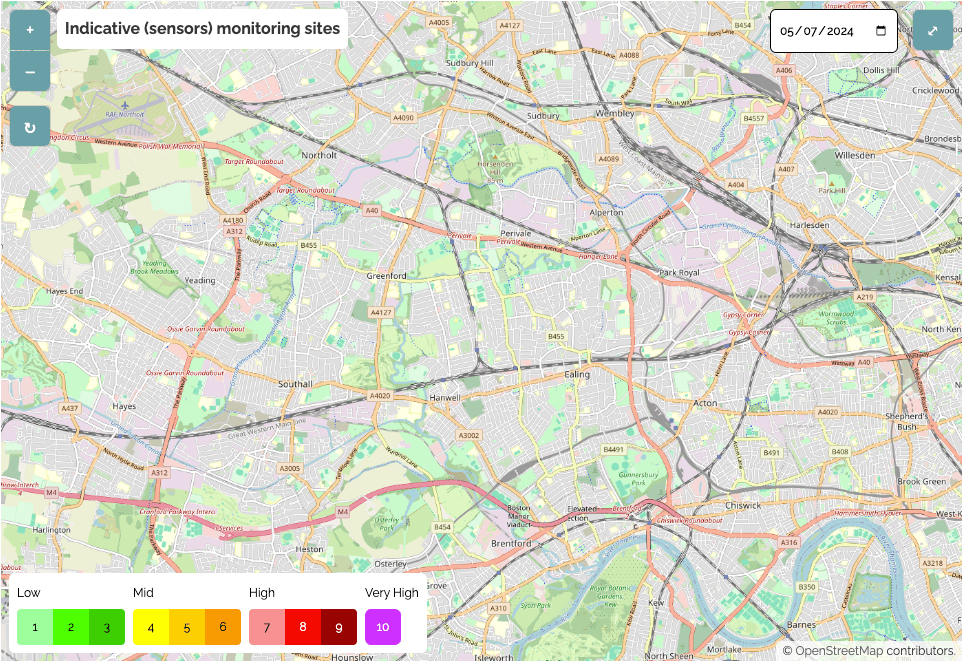
Monitoring
Real-time data collected by Ricardo from monitoring sites in the Lewisham monitoring area.
Forecast
Air quality forecast information created from a combination of Defra pollution data and Met Office weather forecasts.
How is it measured
We use the Daily Air Quality Index (DAQI) to explain current and forecast pollution levels. This nationally recognised system, approved by the Committee on medical effects of air pollution (COMEAP), helps people understand local air quality and its potential impact on health.
The DAQI runs from 1 to 10, with a score calculated for each pollutant based on its concentration over a set period. It covers nitrogen dioxide (NO₂), sulphur dioxide (SO₂), ozone (O₃), PM10 and PM2.5. The highest individual score determines the overall DAQI for a site or area.
The table below sets out what each DAQI category means, along with straightforward health advice to help you stay informed and protected.
Air Pollution banding: Low (1 - 3)
Accompanying health messages for at-risk individuals*
Enjoy your usual outdoor activities.
Accompanying health messages for the general population
Enjoy your usual outdoor activities.
* It is important to note children and adults with pre-existing health conditions are at greater risk of health symptoms caused by air pollution. It is possible that very sensitive individuals may experience health effects even on Low air pollution days.
Sign up for air pollution alerts
Measured air pollutants
The below pollutants are measured in the Lewisham area. Select each one to find out more about them and where they typically come from.
Our monitoring network includes non-automatic diffusion tubes which give us monthly averages of NO2.
The 5 automatic monitoring stations provide real-time data on levels of NO2, PM10 and PM2.5. The data has also been provided as an annual mean so that the results can be compared to our air quality objectives.
Nitrogen dioxide (NO2)
Nitrogen dioxide (NO₂) is a gas mainly produced when fossil fuels are burned. In Lewisham, significant sources are road traffic and wood burning.
It can have a serious impact on respiratory health. NO₂ irritates the airways, can worsen conditions such as asthma, reduce lung function, and increase the risk of infections. Children and older people are particularly vulnerable.
Fine particles (PM10, PM2.5, PM1)
Fine particles come from several sources, including:
- combustion, mainly from road traffic
- brake and tyre wear from electric and conventional vehicles
- construction and demolition activities
- chemical reactions in the atmosphere
- soil and dust that can travel long distances across countries
Air pollution particles vary in size, and scientists group them based on how large they are and how they move through the air. Monitoring has traditionally focused on PM10, which is small enough to be breathed into the lungs. Increasing attention is now given to smaller particles such as PM2.5 and PM1, as they can travel deeper into the lungs and even enter the bloodstream, posing greater risks to health.
Fine particles can reach the deepest parts of the lungs, causing inflammation and worsening existing heart and lung conditions. They may also carry harmful, potentially carcinogenic substances into the body.
Ozone (O3)
Ozone is not usually released directly by vehicles or industry. Instead, it forms in the atmosphere when sunlight triggers chemical reactions between other pollutants, including nitrogen oxides (NOx) and volatile organic compounds (VOCs).
Because these reactions take time, ozone levels can build up hours or even days after the original pollution is emitted. As a result, ozone measured in Lewisham may have travelled a long way from its source. Higher levels are often found downwind of busy towns and cities, particularly during warm, sunny weather.
Breathing ozone can irritate the airways and worsen symptoms for people with asthma or other lung conditions. It can lead to coughing, chest discomfort and difficulty breathing, especially during outdoor activity.
Common sources of VOCs include:
- solvent use
- petrol distrubution and handling
What are we doing?
Lewisham Council is committed to improving air quality and protecting the health of everyone who lives, works and studies in the borough. From delivering innovative projects to securing additional funding, here’s what we’re working on:
Indoor Air Quality Project
This initiative aims to help residents understand and improve indoor air quality, with a specific focus on nurseries and care homes.
More InfoLink to Indoor Air Quality Project
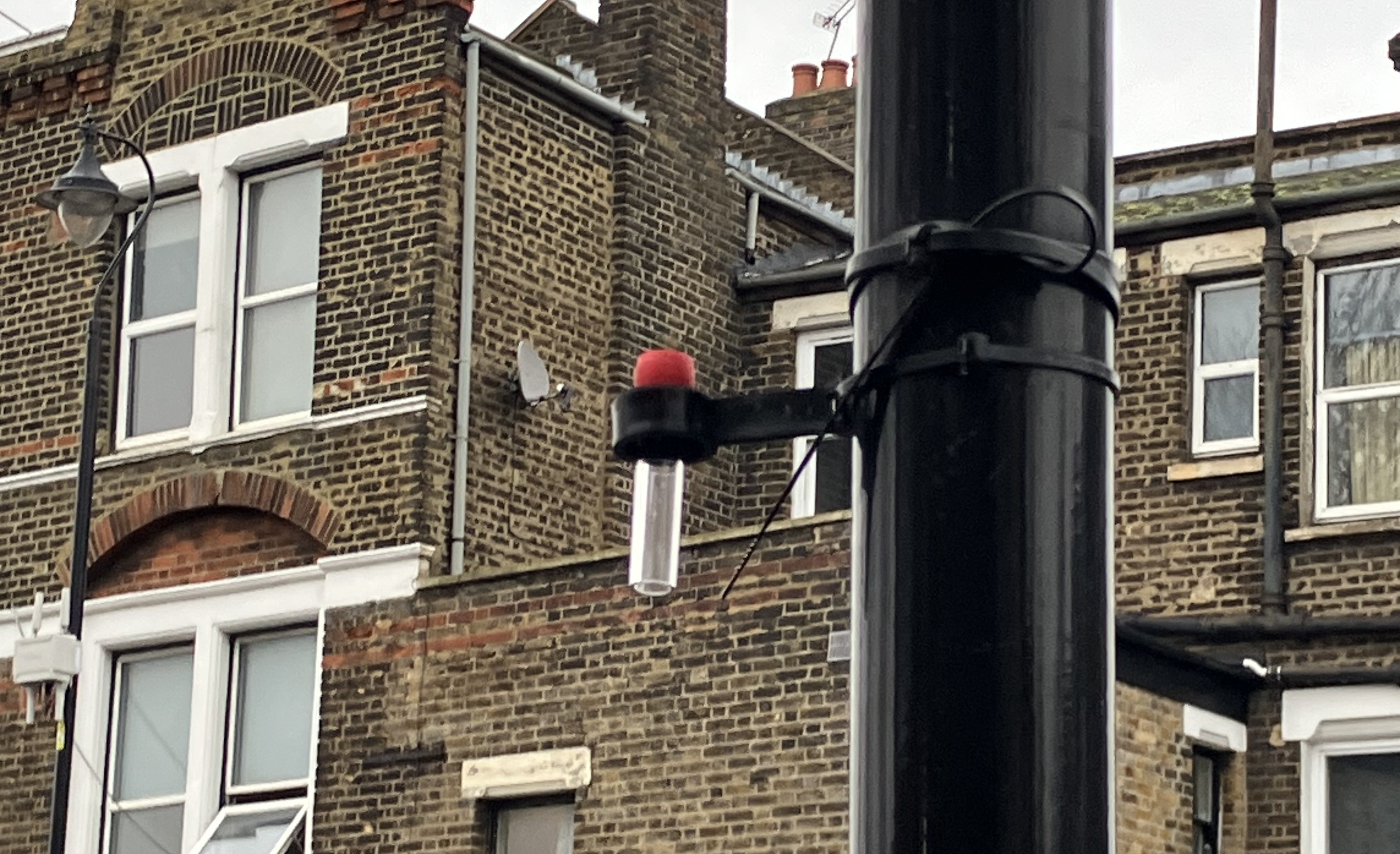
DEFRA air quality grant
Lewisham secured £248,020 from DEFRA for a four-year project focused on reducing pollution and raising awareness.
More infoabout the air quality grant
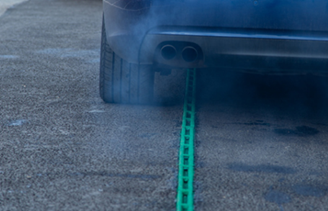
Roadvent project
This initiative, funded by the Mayor’s Air Quality Fund and Lewisham’s Transport Department, uses innovative Roadvent technology to filter harmful pollutants such as NOx and PM near traffic-heavy areas.
More infoabout roadvent

Annual Status Report
The 2024 Air Quality Annual Status Report has been approved by DEFRA and the GLA and is available online.
More infoabout the Annual Status Report
What can I do?
Find out how you can get involved in helping make a cleaner, fairer Lewisham for everyone.
What you can do
Improving air quality is a shared responsibility. Join us in taking practical steps to help make Lewisham’s air cleaner for everyone.
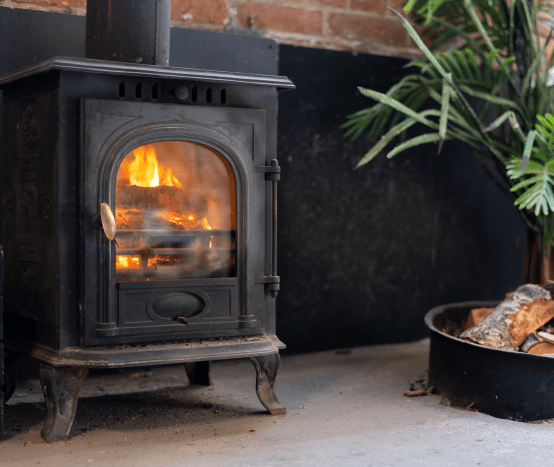
Things to do at home
Keep your home warm without wasting energy. Visit our energy‑saving advice to reduce your bills and help protect the borough.
Driving sustainably
Driving smoothly, sharing journeys and keeping your vehicle well maintained are simple ways to reduce emissions when travelling by car in Lewisham.